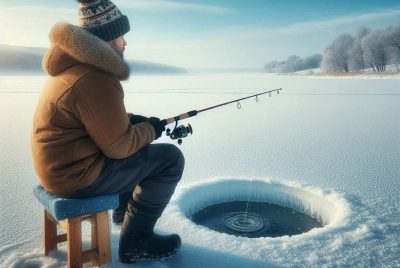
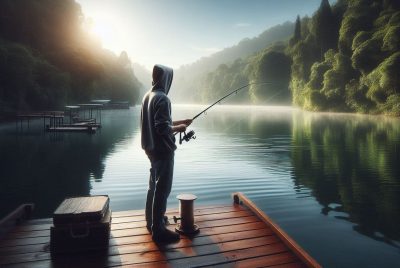
How Fish Behavior Changes by Season
*We may earn a commission for purchases made using our links. Please see our disclosure to learn more.
How Fish Behavior Changes by Season: A Guide to Understanding Seasonal Migration and Feeding Patterns
Fish don’t act the same way all year long. As seasons change, fish adjust their feeding habits, movement patterns, and location preferences based on water temperature, food availability, and their natural reproductive cycles. Understanding these shifts can help anyone who wants to catch more fish or simply learn more about how aquatic life works.
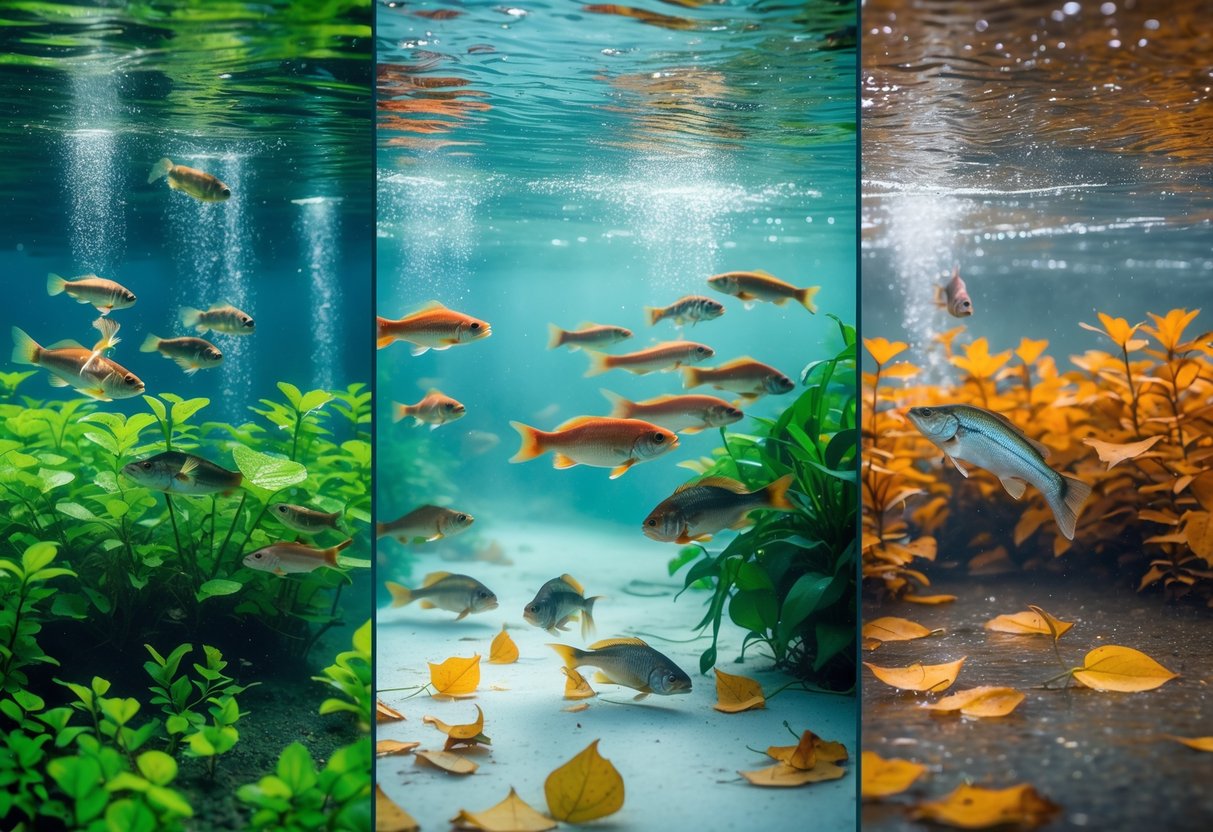
Throughout the year, fish respond to environmental changes in predictable ways. Cold water slows their metabolism in winter, while warmer temperatures in spring and summer trigger increased activity and feeding. These patterns repeat each year because fish have adapted to survive and thrive within the natural rhythm of seasonal change.
I’ll walk you through how fish behavior shifts from season to season, covering everything from where they position themselves in the water to how they feed and interact with each other. You’ll also learn about migration patterns, spawning cycles, and how outside factors affect these natural behaviors.
Understanding Seasonal Changes in Aquatic Environments
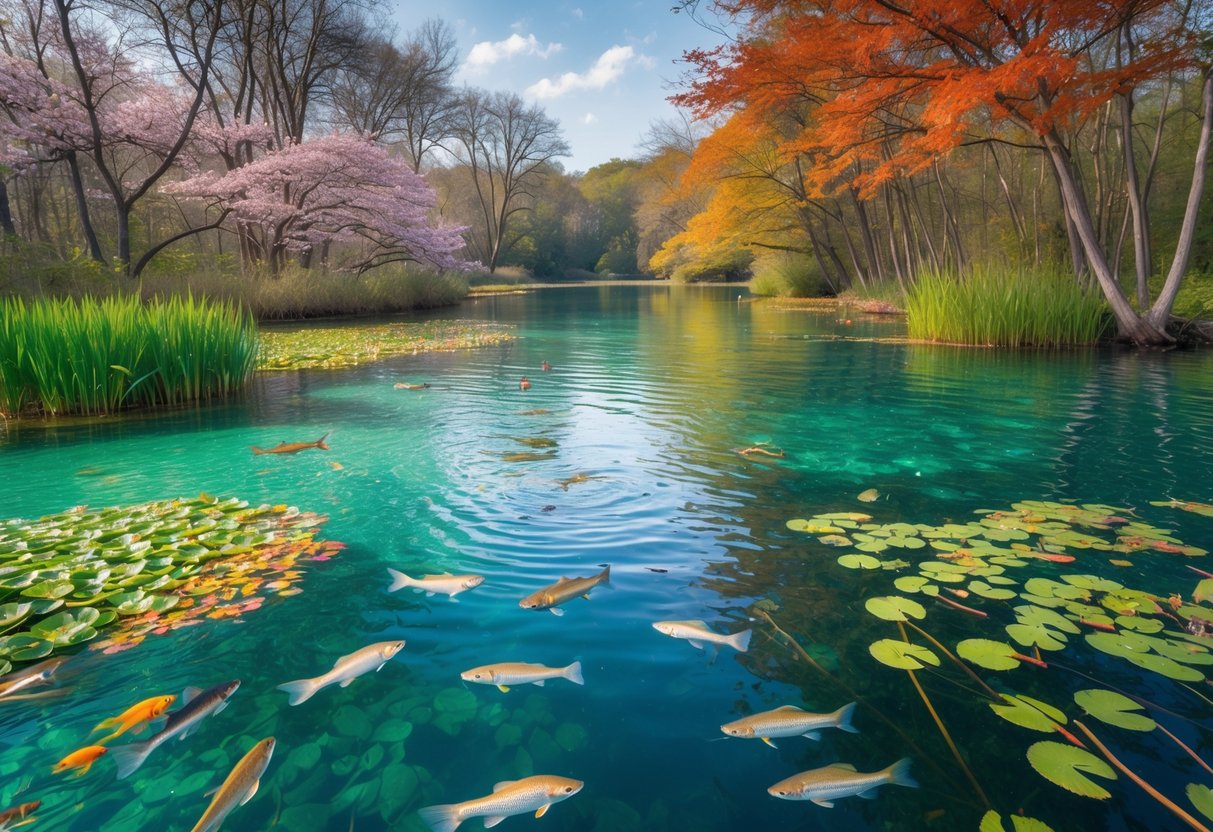
Water conditions shift dramatically throughout the year, affecting everything from temperature layers to available oxygen. These changes force fish to adjust their location, feeding habits, and activity levels.
Temperature Fluctuations
Water temperature controls how active fish can be. Cold-blooded fish depend on their surroundings to regulate body functions, so temperature directly impacts their metabolism, digestion, and energy levels.
In spring, warming water speeds up fish metabolism. They become more active and start feeding heavily after a slow winter. Summer brings the warmest temperatures, pushing some species into deeper, cooler water while others thrive in the shallows.
Fall temperatures drop gradually, triggering fish to feed aggressively before winter. They build up energy reserves during this time. Winter cold slows everything down. Fish metabolism drops significantly, and many species become less active and eat much less.
Key Temperature Ranges:
- Cold water species: 50-60°F optimal
- Warm water species: 70-80°F optimal
- Extreme temps (below 40°F or above 85°F): Stress and reduced activity
Oxygen Levels and Water Chemistry
Oxygen availability changes with seasons and directly affects where fish can survive. Warm water holds less dissolved oxygen than cold water, creating challenges during summer months.
Spring and fall turnover events mix water layers, distributing oxygen throughout the water column. These periods often produce excellent fishing because oxygen-rich water reaches all depths. Summer stratification separates water into distinct layers, with warmer surface water holding less oxygen.
I’ve noticed fish concentrate near inflows, vegetation, or areas with current during low-oxygen periods. Plants produce oxygen during daylight but consume it at night, affecting fish location on a daily cycle.
Winter ice cover can reduce oxygen levels in shallow lakes. Snow on ice blocks sunlight, stopping plant photosynthesis and oxygen production.
Light Availability and Photoperiod
Day length influences fish behavior through biological triggers. Shorter fall days signal fish to prepare for winter, while lengthening spring days trigger spawning behavior.
Light penetration changes with seasons based on sun angle and water clarity. Spring runoff often clouds water, reducing visibility and making fish rely more on other senses. Clear winter water allows deeper light penetration.
Fish adjust their feeding times based on available light. Many species feed most actively during low-light periods at dawn and dusk. Winter’s limited daylight compresses these feeding windows. Summer’s long days extend feeding opportunities but may push some fish to feed more at night when temperatures cool.
Spring Fish Behavior
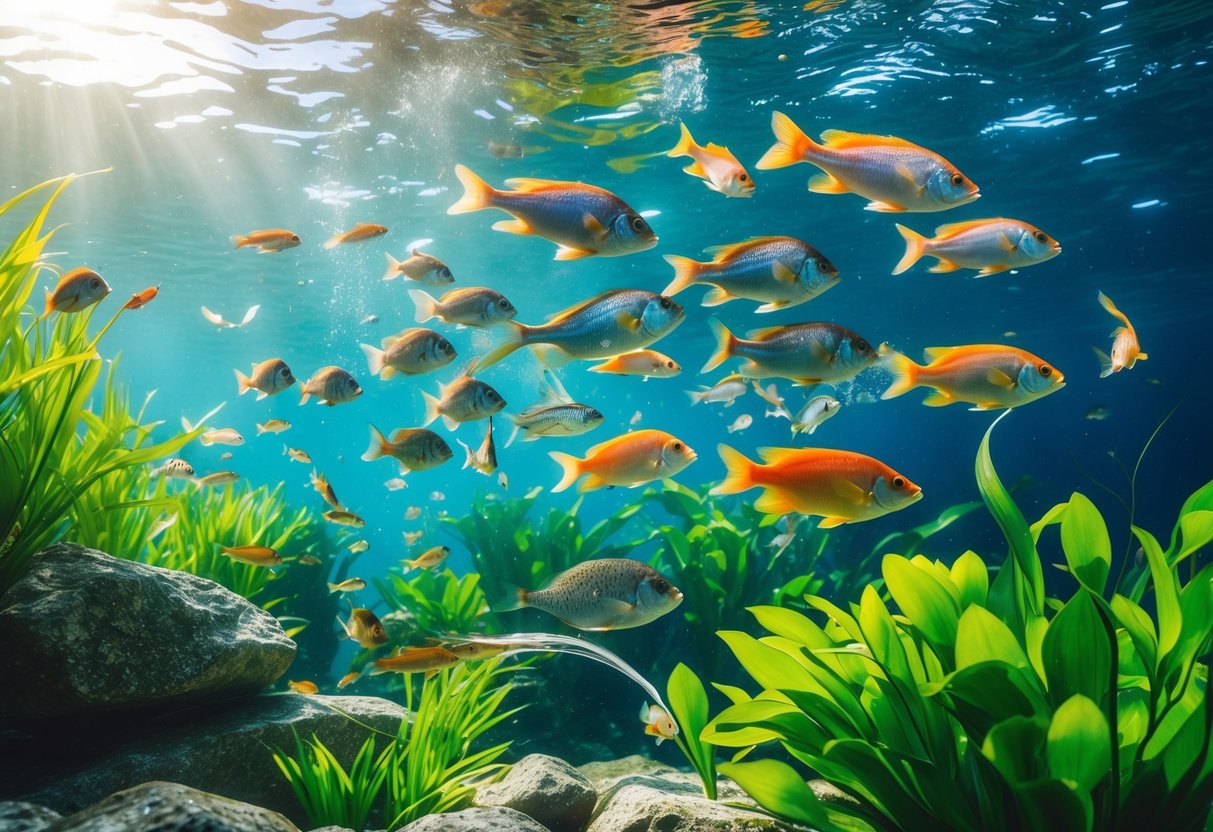
Spring brings warmer water temperatures that trigger fish to become more active and move into shallower areas. Fish spend more time feeding to regain energy lost during winter and prepare their bodies for spawning season.
Transition From Winter Activity
Fish slowly wake up from their winter slowdown as water temperatures climb above 50°F. Their metabolism increases with each degree of warming, which means they need more food and start moving more.
I’ve observed that fish move from deep winter holes toward shallower water where the sun warms the water first. These areas include mud flats, shallow bays, and the north sides of lakes that get more direct sunlight. The transition happens gradually over several weeks.
Fish become more willing to chase prey during this period. They still move slower than in summer, but they’re much more active than their winter state. Early spring fish often stay in small groups near structure like fallen trees or rock piles.
Feeding Patterns in Spring
Spring feeding increases steadily as water warms. Fish need to rebuild fat reserves they burned through winter, so they feed more often throughout the day.
In early spring when water is still cold (50-60°F), fish feed during the warmest parts of the day, usually between 10 AM and 4 PM. As temperatures rise into the 60s and 70s, feeding windows expand to include morning and evening hours.
Common spring prey includes:
- Small baitfish moving into shallow water
- Crawfish emerging from winter hiding spots
- Insects hatching near the surface
- Worms and other invertebrates washed in by spring rains
Fish focus on easy meals that don’t require much energy to catch. They prefer slower-moving prey in cold water and become more aggressive hunters as temperatures warm.
Mating Rituals and Spawning
Spawning is the main event that drives spring fish behavior. Different species spawn at different temperatures, which spreads out the spawning season from early spring through early summer.
Bass spawn when water hits 60-65°F. Crappie spawn slightly cooler at 56-60°F. Bluegill wait for warmer water around 68-75°F.
Male fish typically arrive at spawning areas first to build nests and establish territory. They become very protective and will strike at anything that comes near their nests, even if they’re not hungry. Female fish follow shortly after to lay eggs.
I find that fish bite less during the actual spawn because they’re focused on reproduction instead of eating. Right before and after spawning, fish feed heavily to prepare for and recover from the energy-intensive process.
Summer Adaptations in Fish
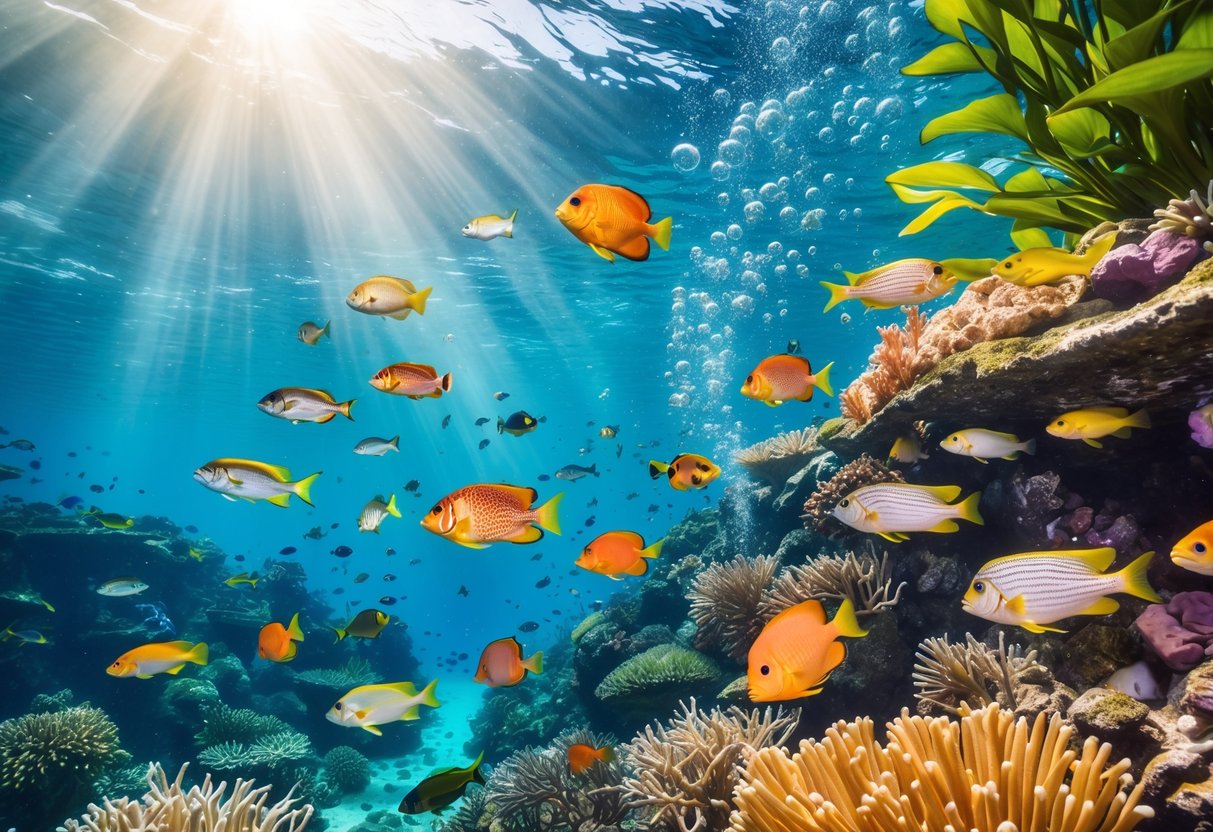
During summer months, fish face warmer water temperatures that force them to seek cooler areas and adjust their daily routines. This season brings intense competition for food and shelter, while also ramping up hunting behavior among predatory species.
Thermal Preferences and Habitat Shifts
Fish are cold-blooded animals, which means their body temperature matches the water around them. When summer heat warms shallow waters, many species move to deeper areas where temperatures stay cooler and more comfortable.
I’ve observed that bass, trout, and walleye often relocate to depths of 15-30 feet during peak summer heat. They seek out specific features like:
- Deep channels and drop-offs
- Spring-fed areas with cooler water
- Shaded zones under docks or overhanging trees
- Areas near dam releases or stream inlets
Temperature also affects oxygen levels in water. Warm water holds less dissolved oxygen than cold water, so fish concentrate in areas where both temperature and oxygen levels meet their needs.
Many species become more active during early morning and late evening hours when surface temperatures drop. During midday heat, they retreat to deeper, cooler zones and reduce their movement to conserve energy.
Competition for Resources
Summer brings peak fish populations as young fish from spring spawning grow larger. This creates intense competition for limited food sources and prime habitat locations.
Smaller fish must compete with larger, more aggressive fish for the best feeding spots. I find that dominant fish claim areas with the strongest current or best cover, forcing younger or weaker fish to less favorable locations.
Food availability changes during summer too. Aquatic insects, baitfish, and other prey species are abundant, but so are the fish trying to eat them. This drives fish to feed more aggressively when opportunities arise.
Increased Predatory Activity
Warm water temperatures speed up fish metabolism, which increases their need for food. Predatory fish like pike, muskie, and largemouth bass hunt more frequently during summer months.
These predators focus their energy on shallow areas during low-light conditions. Dawn and dusk become prime feeding times when baitfish are most active and vulnerable. I notice that predators position themselves near structure like weed edges, rocky points, or submerged timber where they can ambush prey.
Baitfish schools become tighter and more coordinated in summer as a defense mechanism. This grouping behavior actually helps predators by concentrating food sources into smaller areas, leading to explosive feeding activity when predators locate these schools.
Fall Transition and Pre-Winter Strategies
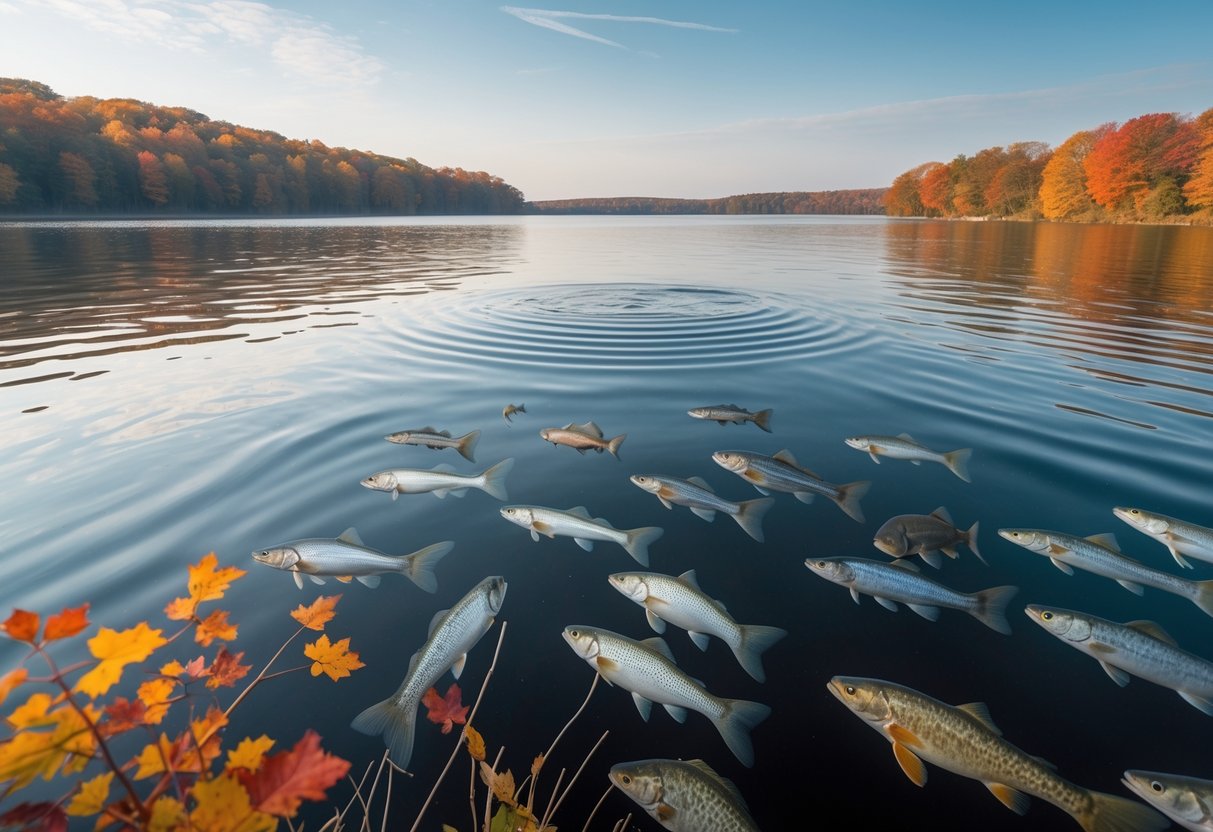
Fish become highly active during fall as water temperatures drop and they sense winter approaching. Their feeding habits intensify, and many species begin moving toward their winter habitats.
Changes in Feeding Priorities
Fall triggers aggressive feeding behavior in most fish species. They need to build fat reserves before winter when food becomes scarce and their metabolism slows down.
I’ve observed that fish feed more frequently during fall than any other season. Water temperatures between 50-65°F create ideal conditions where fish remain active but their prey moves slower. This makes hunting easier and more efficient.
Key fall feeding patterns include:
- Extended feeding windows throughout the day
- Preference for larger prey items to maximize calorie intake
- Movement into shallow waters where baitfish concentrate
- Increased response to fast-moving lures and presentations
Baitfish schools become more concentrated as they prepare for winter. This attracts predator fish to specific areas where they can feed efficiently. I focus my efforts on points, creek channels, and areas where baitfish gather in large numbers.
Migration and Movement
Fish begin relocating from summer habitats to winter holding areas during fall. This migration happens gradually as water temperatures decline.
Many species move toward deeper water where temperatures remain more stable through winter. Bass, walleye, and pike follow baitfish schools as they migrate. I track these movements by monitoring water temperature changes and locating where forage fish congregate.
Common migration patterns:
- Shallow to deep water transitions along drop-offs
- Movement from open water to creek channels
- Concentration near underwater structures like ledges and humps
- Gathering in areas with consistent oxygen levels
The timing of these movements depends on water temperature. Most fish begin migrating when surface temperatures drop below 60°F.
Preparation for Cold Weather
Fish undergo physical changes during fall to prepare for winter survival. Their metabolism adjusts to conserve energy during the upcoming cold months.
I’ve noticed fish become less selective about feeding locations but more aggressive when they do feed. They prioritize high-calorie meals over frequent small snacks. This means using larger baits often produces better results than in summer.
Fish also seek areas that will provide stable conditions through winter. They look for spots with adequate oxygen, protection from current, and access to food sources. These locations typically include deep holes, channel bends, and areas near warm water discharge.
Winter Fish Behavior Patterns
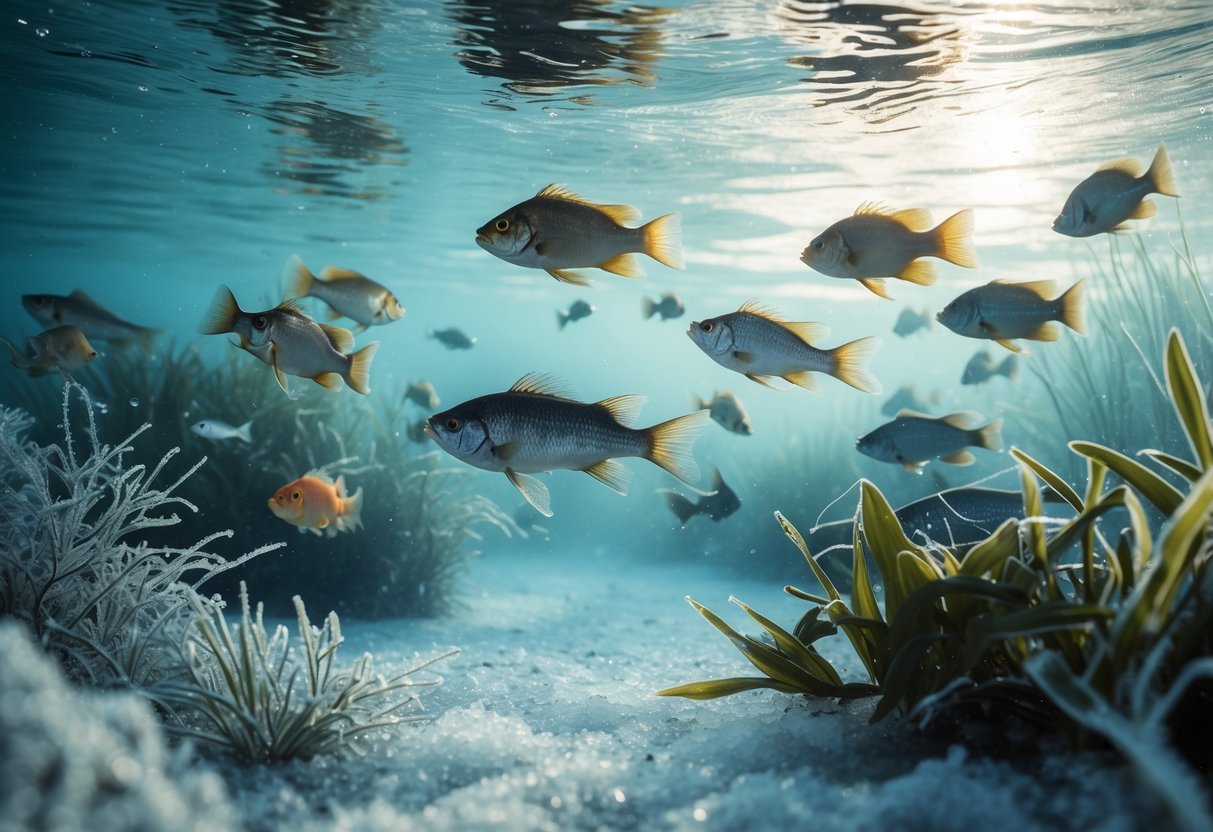
Fish slow down dramatically in winter as cold water temperatures trigger biological changes that affect their movement, feeding, and social interactions. Their metabolism drops significantly, forcing them to conserve energy and seek specific locations that offer thermal refuge and protection.
Reduced Activity and Metabolism
Cold water directly affects how fish function at a cellular level. When water temperatures drop, fish become sluggish because their bodies can’t generate heat internally. Their metabolism slows to match the cooler conditions.
I’ve observed that fish need far less food in winter than they do in warmer months. A fish that ate multiple times per day in summer might only feed once every few days when water temperatures fall below 50°F. This reduced feeding isn’t optional – it’s a biological response to lower metabolic demands.
Fish move less frequently and cover smaller areas during winter. They tend to stay in deeper water where temperatures remain more stable. In lakes, this often means dropping to depths of 15-30 feet. In rivers, fish seek slower pools and eddies where they can rest without fighting current.
Their reduced activity makes them highly selective about energy expenditure. Fish won’t chase prey items that require too much effort to catch.
Overwintering Strategies
Fish seek out specific locations that help them survive winter’s harsh conditions. Deep pools, underwater structures, and areas with consistent water flow become critical habitat.
Different species use different strategies:
- Bass and walleye group in deep holes with rocky or woody cover
- Trout find spring seeps or tributaries with slightly warmer water
- Panfish suspend in mid-depth areas of lakes with adequate oxygen
- Carp bury themselves partially in muddy lake bottoms
Oxygen levels become a major concern under ice. Fish position themselves where water circulation occurs, such as near inlets or outlets. They avoid areas where decomposing vegetation depletes oxygen.
Changes in Social Structure
Winter transforms how fish interact with each other. Species that spread out during summer often form tight groups in winter. This clustering behavior serves multiple purposes – it helps conserve energy and provides better protection from predators.
I notice that hierarchies within these groups become less strict. Aggressive territorial behavior that defines summer patterns largely disappears because defending territory costs too much energy. Fish tolerate closer proximity to others of their species.
Schools become denser and more stationary. Instead of roaming actively, fish hold in specific spots for extended periods. These winter aggregations can contain dozens or even hundreds of individuals in relatively small areas.
Feeding Strategies Across the Seasons
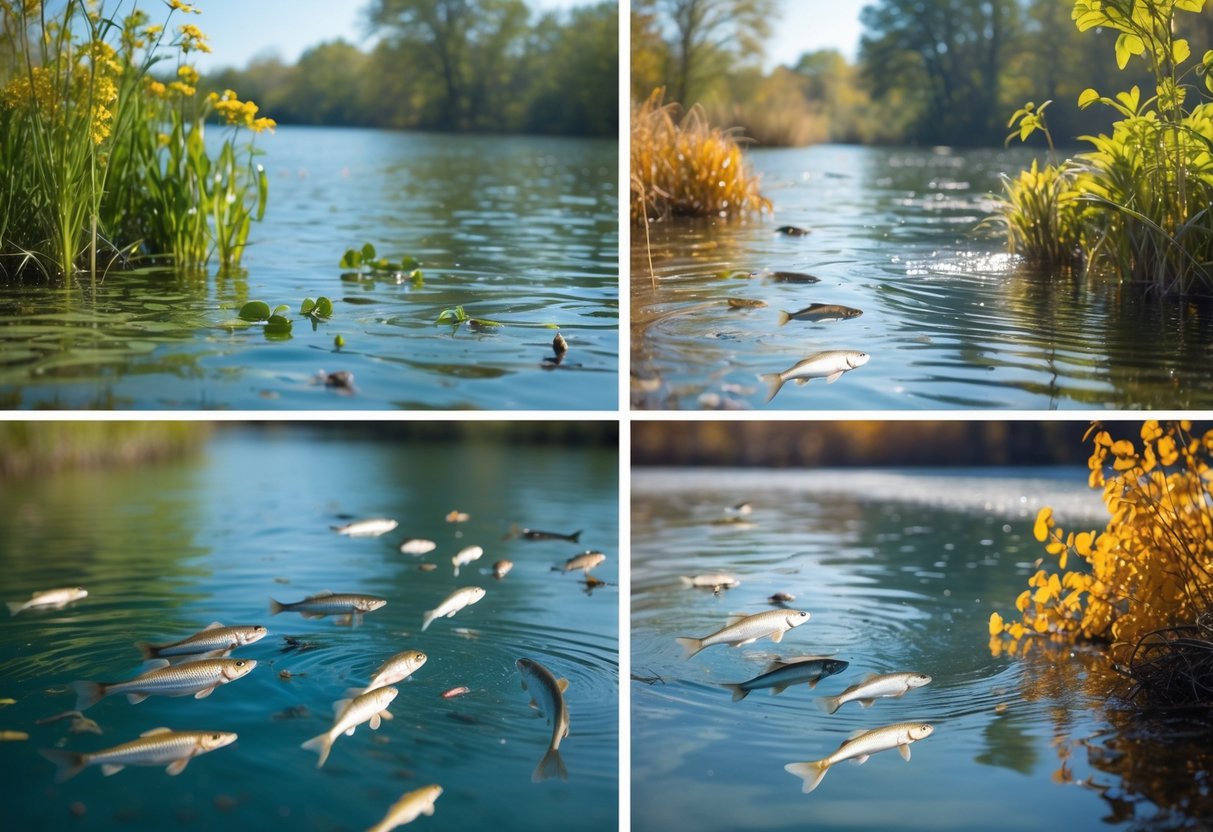
Fish adjust what they eat and how they hunt based on water temperature and available food sources throughout the year. These feeding changes directly affect when and where fish are most active.
Seasonal Diet Shifts
Fish diets change significantly as seasons progress. In spring, fish focus heavily on small baitfish and insects as they prepare for spawning. Their metabolism increases with warming water, which means they need more food.
Summer brings the most diverse diet options. Fish eat larger prey including crayfish, frogs, and mature baitfish. The warm water speeds up their digestion, so they feed more frequently throughout the day.
Fall triggers aggressive feeding behavior. Fish consume high-fat prey to build energy reserves for winter. I’ve observed fish targeting shad, herring, and other oily baitfish during this period.
Winter feeding becomes minimal. Fish enter a semi-dormant state and may go days without eating. When they do feed, they prefer slow-moving, easy-to-catch prey that requires little energy to hunt.
Impact of Food Availability
Food sources vary dramatically between seasons, which forces fish to adapt their feeding patterns. Spring hatches of insects and spawning baitfish create feeding opportunities in shallow water. Fish move to these areas to take advantage of concentrated food sources.
Summer provides the most abundant food supply. Aquatic plants grow thick, which supports larger populations of small prey animals. Fish spread out across different depths based on where their preferred food is most available.
During fall, baitfish schools migrate to deeper water as temperatures drop. Predator fish follow these movements and often form feeding groups. This creates the year’s most predictable feeding windows.
Winter forces fish to conserve energy due to limited food availability. They select prey based on ease of capture rather than preference. Smaller meals become the norm as fish reduce their metabolic needs.
Foraging Techniques
Fish hunting methods change with seasonal conditions. Spring brings active hunting in shallow areas where visibility is often low. Fish rely more on their lateral line system to detect prey movement in murky spawning waters.
Summer hunting happens at various depths. Early morning and evening see surface feeding activity. Midday pushes fish deeper where they hunt near structure and drop-offs.
Fall creates aggressive pack hunting behavior. Fish chase baitfish schools to the surface in feeding frenzies. This makes them more likely to strike at fast-moving lures.
Winter foraging becomes opportunistic and energy-efficient. Fish position themselves near the bottom in deeper water. They wait for prey to come close rather than actively pursuing it.
Reproductive Cycles and Timing
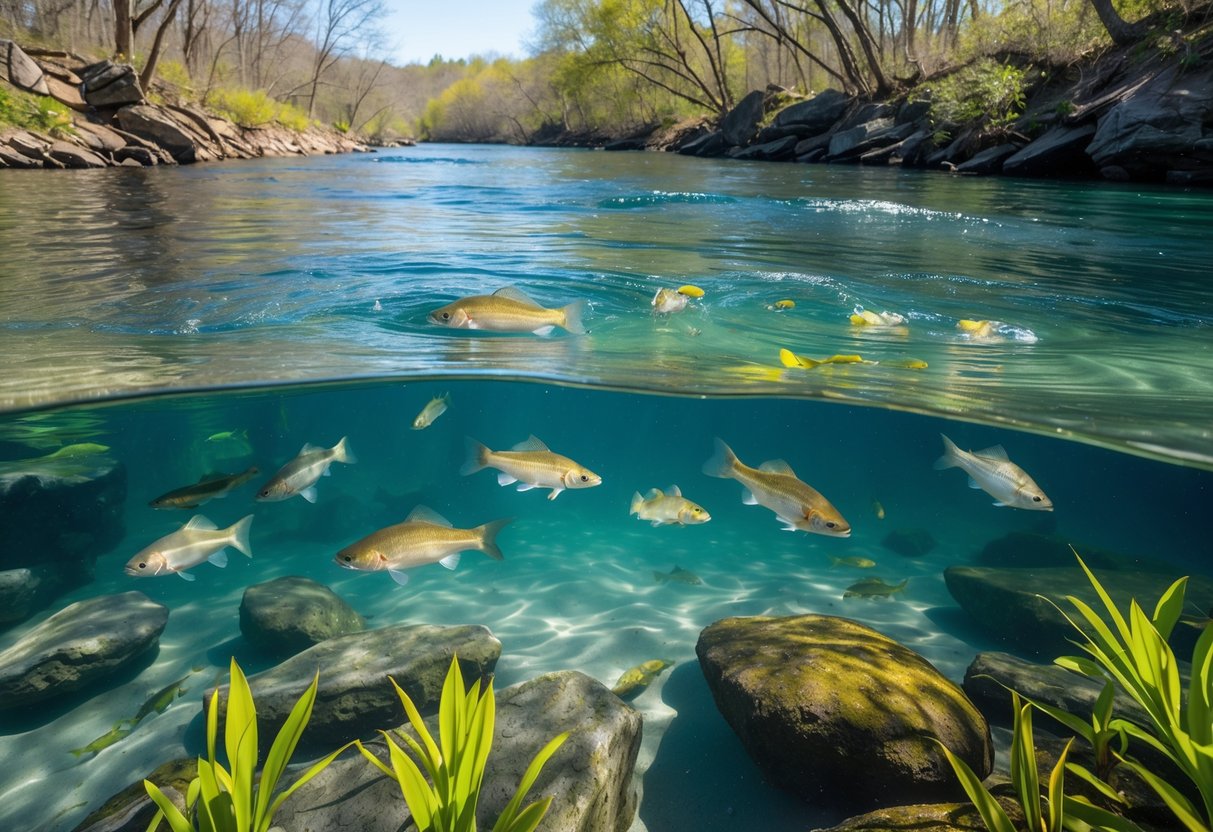
Fish reproduction follows predictable seasonal patterns driven by environmental signals, with spawning times closely linked to conditions that maximize offspring survival. Temperature and daylight changes trigger hormonal shifts that prepare fish for breeding.
Seasonal Spawning Triggers
Temperature and photoperiod serve as the primary environmental cues that initiate spawning in most fish species. I’ve observed that species like salmon and trout respond to gradually increasing photoperiods followed by decreasing ones to time their autumn spawning. Water temperature acts as a secondary trigger in many cyprinids and perch-like fishes.
Different species spawn at specific times based on their habitat needs. Spring spawners like bass and pike breed when warming waters reach 50-65°F, which gives their young a full growing season. Summer spawners such as sunfish wait for stable warm temperatures above 70°F.
Fall and winter spawners time reproduction differently. These fish produce eggs that develop slowly in cold water, hatching when spring food sources become abundant.
Reproductive Success Rates
The timing of spawning directly affects how many offspring survive to adulthood. Fish that spawn when food is plentiful for their young see higher survival rates than those whose timing mismatches with prey availability.
Key factors affecting reproductive success:
- Water temperature stability during egg development
- Predator abundance during hatching periods
- Food availability for newly hatched larvae
- Habitat quality at spawning sites
Fish adjust their spawning frequency based on environmental conditions. Some species spawn once annually, while others release eggs multiple times throughout a breeding season to hedge against poor conditions during any single event.
Post-Spawning Behaviors
After spawning ends, fish enter a recovery phase where they rebuild energy reserves depleted during reproduction. Many species reduce activity levels and increase feeding intensity to restore body condition.
Some fish like salmon die after spawning, while most species begin regenerating reproductive tissues for the next cycle. Males often recover faster than females since egg production requires more energy investment.
Seasonal migrations away from spawning areas commonly occur as post-spawn fish seek better feeding grounds or return to their normal home ranges.
Migration and Movement Patterns by Season
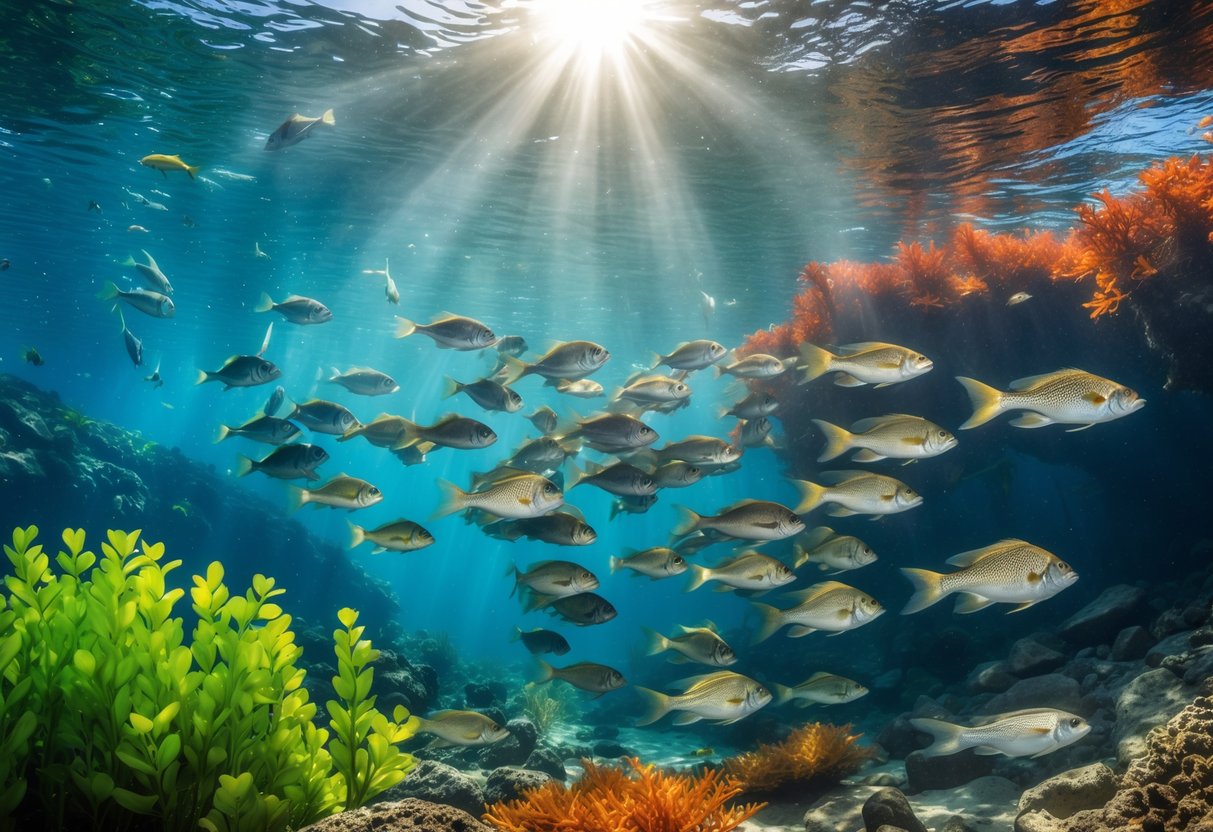
Fish movement varies dramatically across the calendar year, driven by water temperature changes, spawning needs, and food availability. Some species travel thousands of miles between ocean and freshwater, while others simply shift between deeper and shallower areas within the same body of water.
Long-Distance Migration
Certain species undertake extraordinary journeys spanning entire continents. Salmon travel from ocean feeding grounds to their natal freshwater streams, sometimes covering over 2,000 miles to reach spawning areas. This journey happens annually, typically triggered by seasonal changes in water temperature and day length.
Eels follow the opposite pattern, living in freshwater but migrating to the ocean to spawn. American eels travel from rivers and lakes across the eastern United States to the Sargasso Sea in the Atlantic Ocean.
Striped bass migrate along coastlines seasonally. They move north in spring and summer following warmer water and abundant prey, then return south in fall as temperatures drop.
These migrations follow predictable patterns. Understanding when species arrive and depart from specific areas helps predict where I can find them throughout the year.
Local Habitat Transitions
Not all fish movement involves long distances. Many species make shorter, seasonal shifts within the same water body based on temperature, spawning requirements, and food sources.
During spring, fish move from deep winter holding areas to shallower water as it warms. Bass and panfish relocate to shallow bays and coves where the sun heats water faster and forage becomes active.
Summer heat pushes many species to seek cooler conditions. Fish move to deeper water, shaded areas under vegetation, or locations with better oxygen levels.
Fall triggers another transition as fish prepare for winter. They feed heavily in shallow to mid-depth areas where baitfish concentrate. As winter approaches, most species move to deeper, more stable water where temperatures remain consistent and energy conservation becomes critical.
Drivers of Movement
Water temperature controls the timing and extent of fish movement more than any other factor. Fish are cold-blooded, so their metabolism, activity level, and habitat choices respond directly to temperature changes.
Spawning drives predictable seasonal movements. Species move to specific locations with the right substrate, water flow, and temperature for successful reproduction. This happens at consistent times each year for each species.
Food availability shapes where fish travel throughout seasons. Baitfish migrations trigger predator movements. When shad, herring, or other forage species relocate, game fish follow them to feeding areas.
Social Interactions and Schooling Behavior
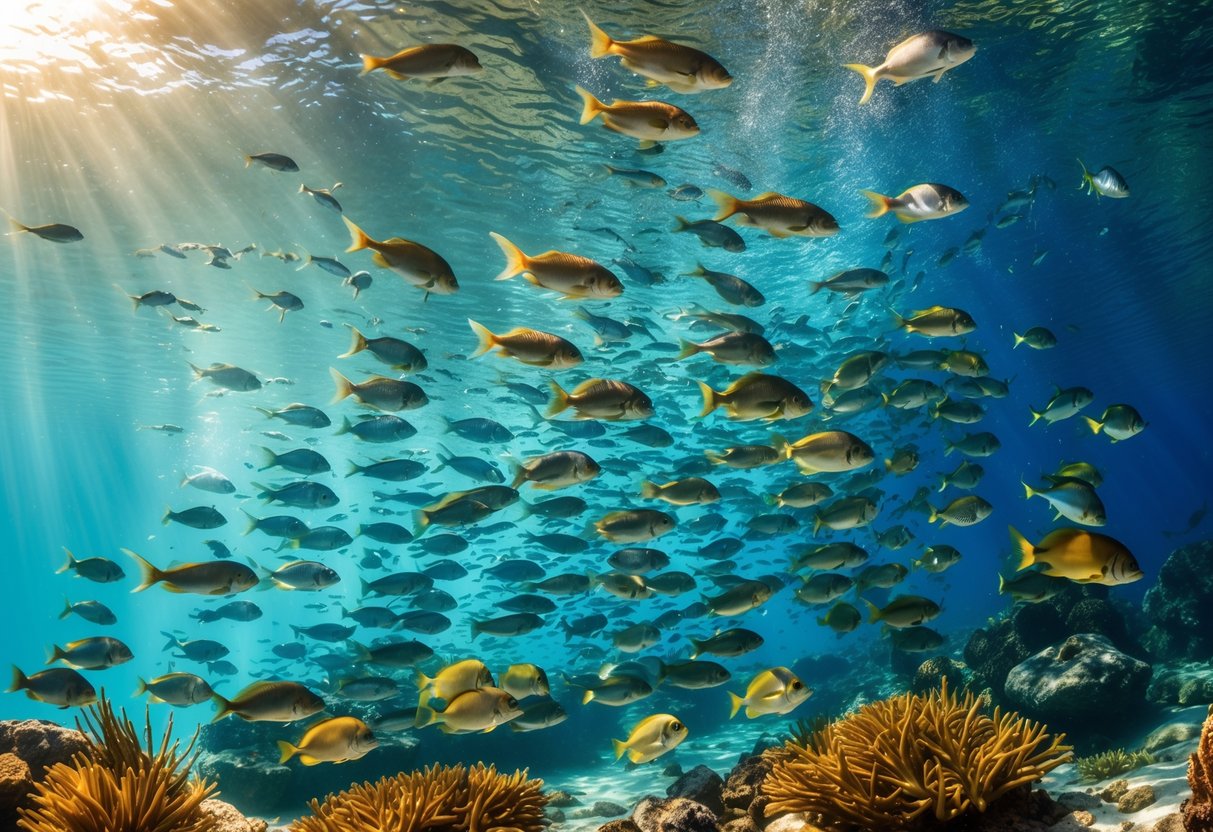
Fish social structures shift with the seasons as food availability, water temperature, and breeding cycles change their interaction patterns. These changes affect how fish group together, defend their space, and communicate with each other.
Group Dynamics in Different Seasons
During spring and summer, I observe that many fish species form larger, more active schools. Warmer water temperatures increase their metabolism and energy levels. This makes them more social and coordinated in their movements.
Fish rely heavily on visual cues to maintain their schools. They watch their neighbors’ body positions, speed, and direction to stay synchronized. The “many eyes” effect of schooling helps them spot predators faster and find food sources more efficiently.
Fall brings different grouping patterns as fish prepare for winter. Schools often become tighter and more compact. Some species migrate together to deeper waters or warmer areas. Others break into smaller groups as food becomes scarcer.
Winter creates the most dramatic changes in social behavior. Cold water slows fish metabolism significantly. Many species reduce their activity and form loose aggregations rather than active schools. Some fish become solitary during this period to conserve energy.
Territoriality and Aggression
Breeding season triggers major changes in territorial behavior. Male fish become more aggressive as they compete for mates and nesting sites. They defend specific areas against other males through displays, chasing, and sometimes physical contact.
Spring marks peak territorial activity for most freshwater species. I see fish like bass and sunfish claim and guard their spawning areas intensely. They use body positioning and rapid movements to warn intruders away.
Seasonal territorial patterns:
- Spring/Summer: High aggression during spawning, defended territories
- Fall: Decreased territoriality as breeding ends
- Winter: Minimal territorial behavior, energy conservation priority
Outside breeding season, many fish show reduced aggression. They tolerate closer proximity to others and share feeding areas more peacefully.
Communication Methods
Fish use multiple communication methods that change with seasonal conditions. Visual signals work best in clear, well-lit water during warmer months. They adjust their body position, color patterns, and fin movements to send messages.
Chemical signals remain important year-round. Fish release pheromones to communicate reproductive status, identify species members, and signal alarm. These chemical cues work even in murky water or low light.
During spawning season, some species add sound to their communication toolkit. They produce clicks, grunts, or drumming sounds to attract mates or warn rivals. Water temperature affects sound transmission, making acoustic signals more effective in warmer months.
Tail movements and body posture convey information within schools continuously. Subtle changes in swimming speed or direction help coordinate group movements and share information about food or threats.
Human and Environmental Influences on Seasonal Fish Behavior
Human activities and environmental changes are reshaping how fish respond to seasonal patterns. Climate change alters water temperatures and oxygen levels, fishing pressure disrupts population structures, and habitat destruction removes critical seasonal refuges that fish depend on throughout the year.
Effects of Climate Change
Climate change is shifting the timing and intensity of seasonal patterns that fish rely on. Water temperatures are rising faster than many species can adapt, forcing fish to move to deeper or cooler waters earlier in the year than historical patterns show.
I’ve observed that warming waters affect fish metabolism directly. When temperatures rise beyond a species’ comfort range, fish must work harder to extract oxygen from the water. This increased energy demand changes their feeding schedules and reduces their growth rates.
Seasonal migration timing is becoming mismatched with food availability. For example, fish that typically spawn in spring may arrive at breeding grounds before or after their prey species peak. This disruption affects:
- Reproduction success – Eggs and larvae may hatch when food is scarce
- Growth rates – Young fish struggle to find adequate nutrition
- Survival rates – Weaker fish are more vulnerable to predators
Ocean acidification adds another layer of stress. The changing pH levels affect fish sensory systems, making it harder for them to detect predators or locate prey during critical seasonal movements.
Impact of Fishing Pressure
Fishing pressure changes the natural seasonal behaviors that fish populations developed over thousands of years. Heavy fishing during spawning seasons removes breeding adults before they can reproduce, which weakens entire populations.
I see that selective fishing practices alter fish community structures. When anglers target larger fish, they remove the strongest breeders from the population. This leaves smaller, younger fish to reproduce, which can reduce overall fitness over time.
Key fishing impacts include:
| Impact Type | Effect on Seasonal Behavior |
|---|---|
| Spawning disruption | Fish avoid traditional breeding areas |
| Population decline | Reduced competition changes feeding patterns |
| Size selection | Earlier maturation and smaller adult sizes |
Commercial fishing during migration periods intercepts fish before they reach seasonal habitats. This interruption prevents fish from completing their natural cycles, affecting everything from feeding to reproduction.
Habitat Alteration
Human development destroys the specific habitats fish need during different seasons. Wetlands that serve as spring nurseries get drained for agriculture. Deep pools that provide summer refuge from heat get filled in for construction.
Dam construction blocks seasonal migration routes that fish have used for generations. Salmon can’t reach upstream spawning grounds, and young fish struggle to return to the ocean. This prevents entire life cycles from completing.
I notice that pollution affects seasonal habitat quality. Agricultural runoff creates dead zones in coastal areas during summer months when fish seek cooler, oxygen-rich waters. These areas become unusable exactly when fish need them most.
Shoreline development removes shallow areas where fish feed during spring and fall. Concrete seawalls replace natural vegetation that provides shelter and food sources during seasonal transitions.
Frequently Asked Questions
Fish respond to seasonal shifts through changes in metabolism, feeding times, and location preferences driven by water temperature, daylight hours, and spawning cycles. I’ve compiled answers to common questions about these seasonal patterns to help you understand what drives fish behavior throughout the year.
What factors influence seasonal fish activity levels?
Water temperature is the primary driver of fish activity throughout the year. Fish are cold-blooded, so their metabolism speeds up in warmer water and slows down in colder water.
Daylight hours also play a major role in fish behavior. Longer days in spring and summer trigger increased feeding, while shorter days in fall and winter signal fish to conserve energy.
Barometric pressure changes with weather fronts affect fish activity levels. A falling barometer before a storm often increases feeding, while a rising barometer after a front passes typically slows it down. Oxygen levels in the water fluctuate seasonally and directly impact where fish position themselves and how active they become.
How do water temperature fluctuations throughout the year affect fish feeding patterns?
I’ve observed that fish feed most aggressively when water temperatures fall within their preferred range, which varies by species. Bass typically feed heavily when water reaches 60-75°F, while trout prefer cooler temperatures between 50-65°F.
When water temperatures rise above optimal levels in summer, fish often feed during early morning and evening hours when it’s cooler. They move to deeper water or shaded areas during midday heat.
Cold water in winter slows fish digestion significantly. This means fish need to eat less often and may only feed during the warmest part of the day. Their metabolism can slow to just 10-20% of summer levels when water temperatures drop below 40°F.
Can seasonal weather variations significantly alter fish habitat preferences?
Fish change their location dramatically based on seasonal weather patterns. In spring, warming shallow water draws fish from deep winter holes to spawning flats and shorelines where baitfish gather.
Summer heat pushes many species to deeper water with cooler temperatures and higher oxygen levels. I find fish relating to structure like drop-offs, channels, and thermoclines during hot months. They also seek shade under docks, vegetation, and overhanging trees.
Fall cooling brings fish back to shallow water as temperatures moderate. This creates excellent fishing opportunities as fish feed heavily to prepare for winter. Winter weather drives most fish to the deepest, most stable water they can find where temperatures remain consistent.
In what ways do fish migration patterns change with the seasons?
Many fish species migrate to specific areas for spawning when seasonal triggers like temperature and daylight reach certain thresholds. Salmon swim upstream to spawn in fall and winter, while bass move to shallow flats in spring.
Seasonal migrations also follow food sources. Baitfish movements toward warmer or cooler water pull predator fish along with them. I’ve noticed that fish in reservoirs often migrate toward the main lake in summer and back into creek arms during spring and fall.
Some species make vertical migrations rather than horizontal ones. Fish move between deep and shallow water daily during certain seasons, following temperature preferences and feeding opportunities.
How does the spawning season impact fish behavior and angling opportunities?
Spawning periods create predictable patterns that I use to locate fish. Bass become territorial and aggressive on beds in spring, making them easier to target in shallow water. However, many fish species feed less during the actual spawn.
Pre-spawn periods offer the best fishing of the year for many species. Fish feed heavily to build energy reserves before spawning, and they gather in staging areas near spawning sites. Post-spawn fish are often lethargic and need time to recover before resuming normal feeding.
Regulations often protect fish during spawning seasons. I always check local rules, as some areas restrict fishing during critical spawning periods to protect fish populations.
What are the indications of a shift in fish behavior from summer to fall?
Water temperature drops of just a few degrees trigger noticeable changes in fish behavior. When surface temperatures fall from the 80s into the 70s°F, fish begin moving shallower and feeding more aggressively throughout the day.
I notice baitfish schools moving toward the backs of coves and into shallower water as fall approaches. Predator fish follow these schools, creating feeding frenzies that are easy to spot. Birds diving on surface activity often signal these movements.
Fish location becomes less depth-dependent in fall. Instead of holding at specific depths like in summer, fish roam more freely through the water column. They also become less structure-oriented and more willing to chase baitfish in open water.